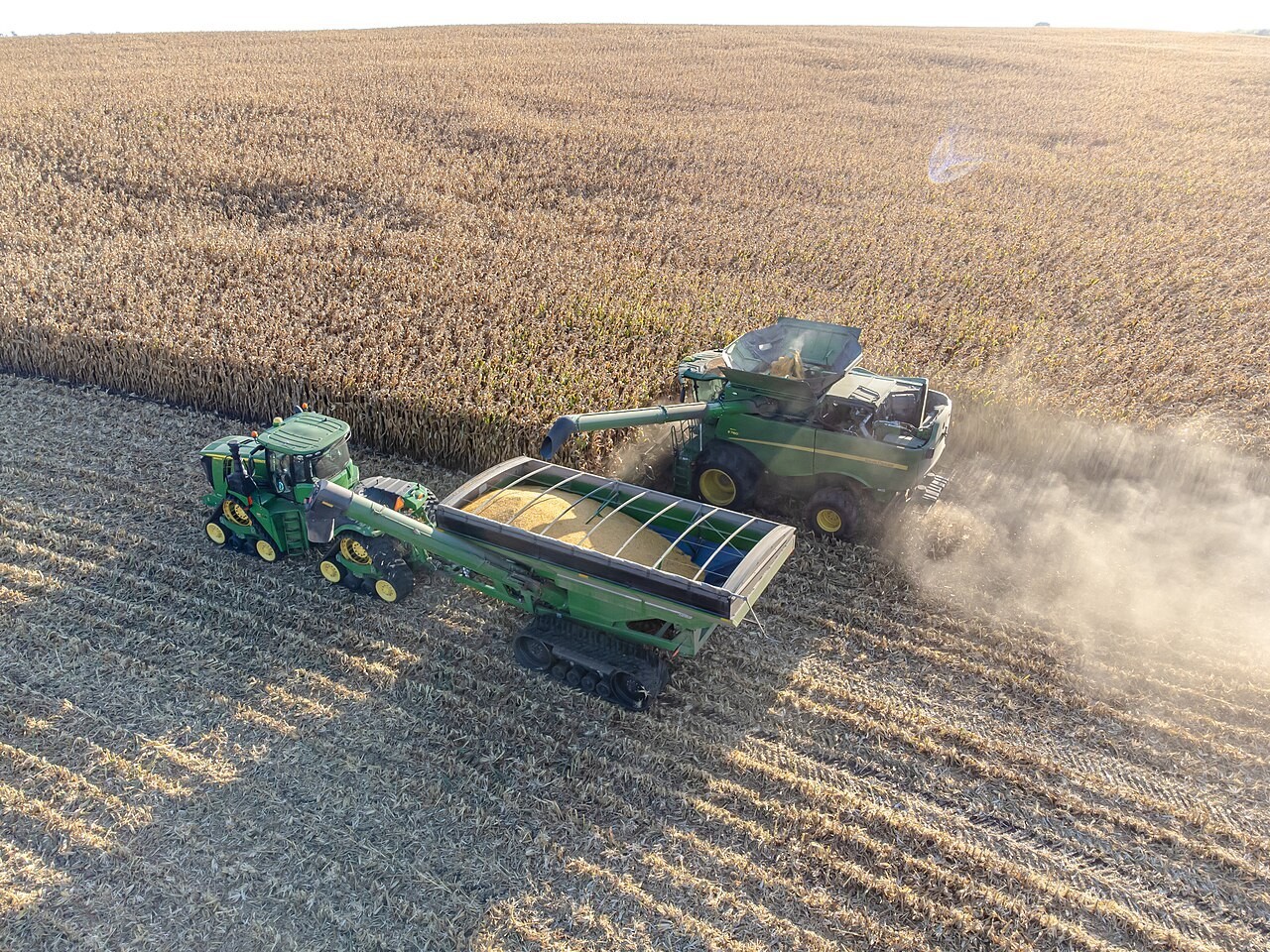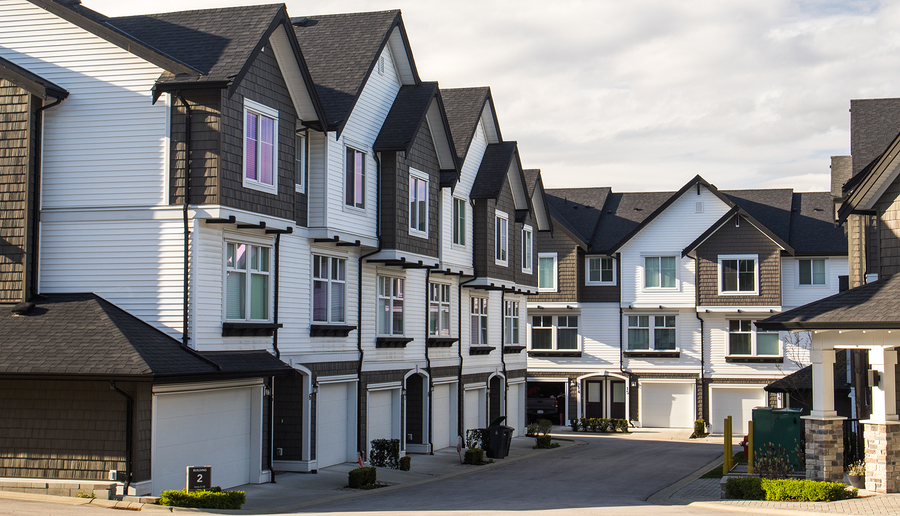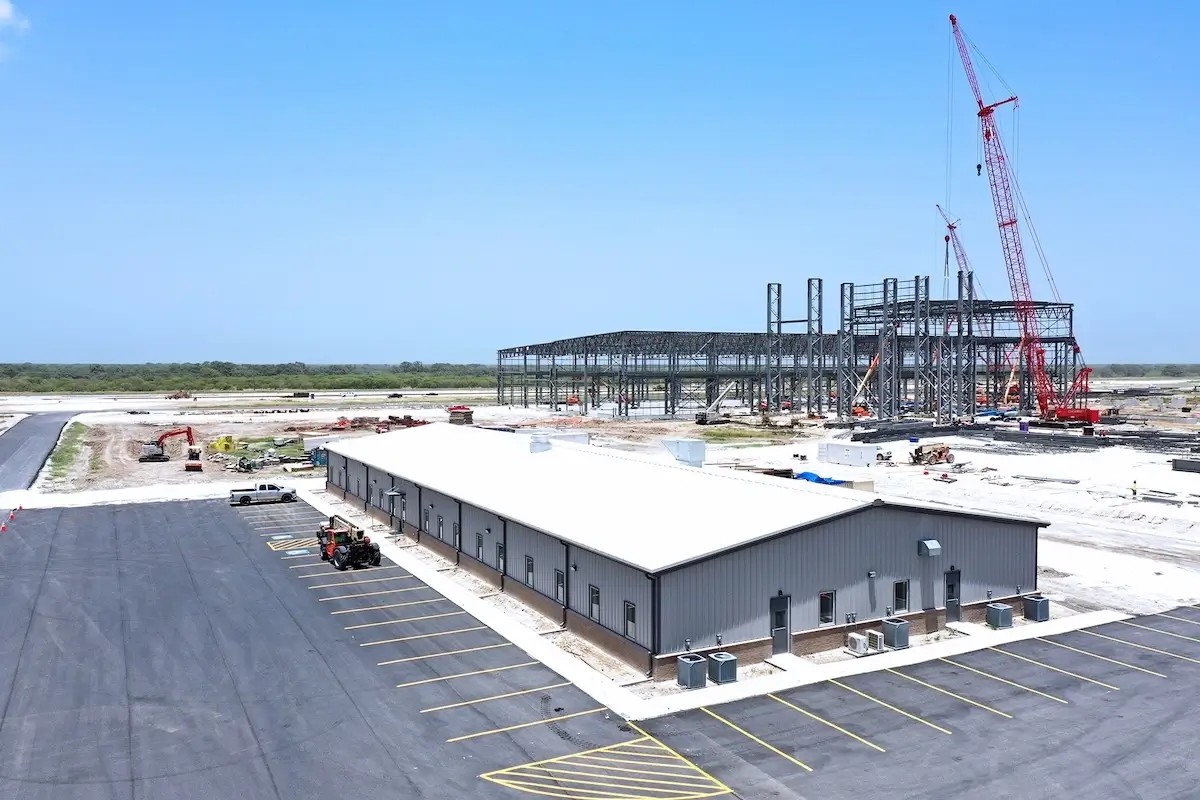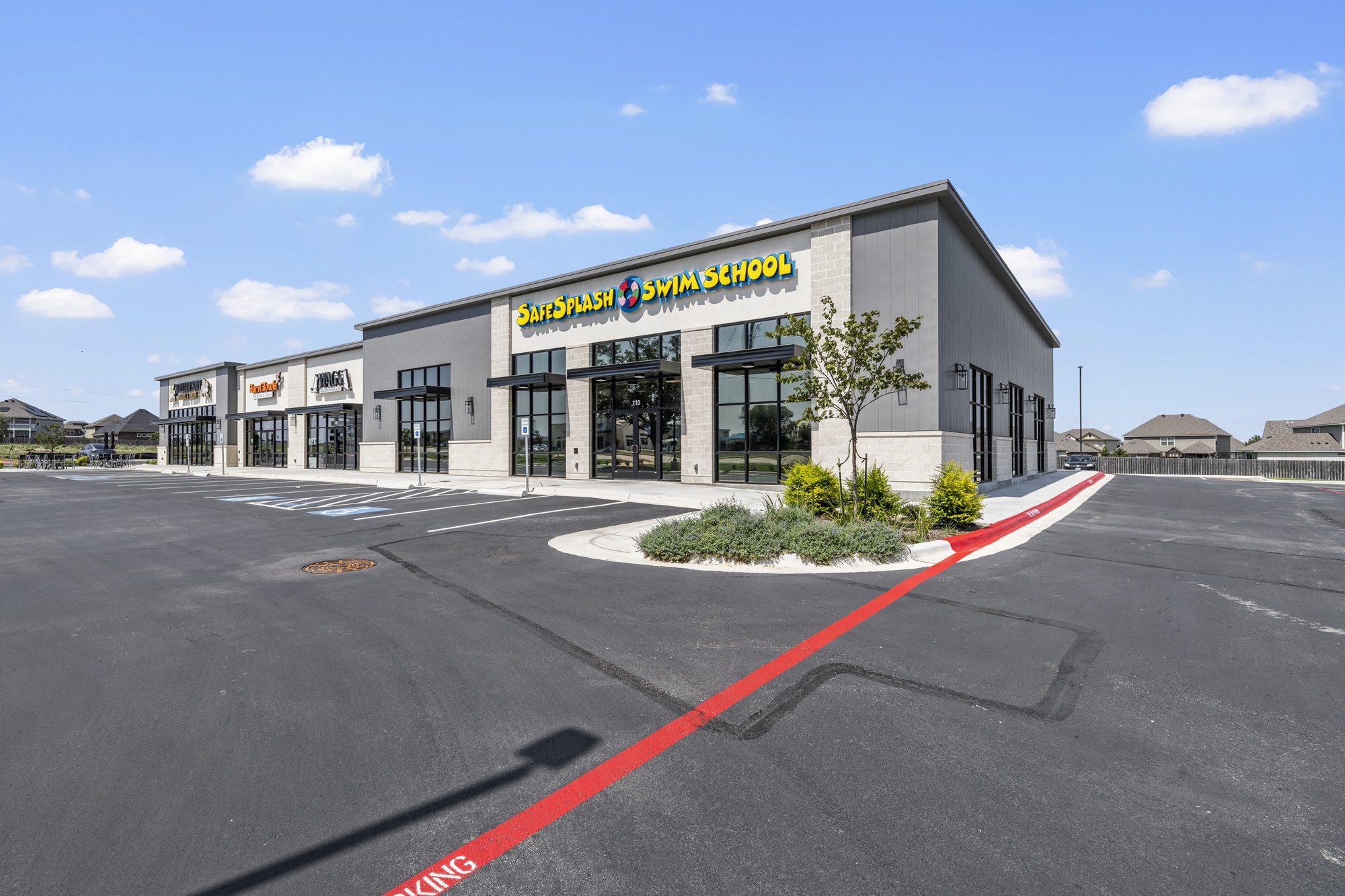
A farmland Opportunity Zone investment can combine rural tax provisions with productive land, processing, storage, renewable energy, housing, or another operating business. The opportunity is real only when the land, water, operator, improvements, market, and entity structure support the claimed use.
After December 31, 2026, a qualifying rural opportunity fund may receive enhanced basis treatment and a reduced substantial-improvement threshold under current guidance. Those benefits require the right investment date, a QOZ comprised entirely of a rural area, qualifying fund composition, and properly measured property additions.
Begin with productive capacity and legal rights. Tax classification comes after the farm can work.
Record official 2027 designation, tract boundaries, applicable period, rural determination, QOF investment dates, and property ownership.
A rural county or eligible tract is not enough.
Map direct property, businesses, stock, partnership interests, and use to the 90 percent rural requirement. Maintain testing records.
One rural farm does not make a mixed fund a QROF.
Review official soil surveys, capability, drainage, salinity, erosion, field layout, yields, and management limits.
Gross acreage can hide material productive variation.
Review rights, priority, wells, pumps, delivery, storage, quality, curtailment, drought, cost, and shared systems.
Water availability should match the crop and operating plan under a dry year.
Analyze original use, acquisition, seller relationship, building and land basis, improvements, business use, and entity tiers with counsel.
Land appreciation alone is not a substantial-improvement strategy.
For qualifying post-2026 facts, establish whether the current 50 percent rural threshold applies, tested property basis, period, and additions.
Do not count land or unrelated project spend casually.
Review tenant or operator, guaranty, acreage, equipment, credit, crop mix, input, labor, insurance, payment, and facility role.
A high rent can weaken the operator and project durability.
Distinguish cash rent, crop share, management, processing, storage, livestock, renewable, or other operations. Allocate costs and commodity risk.
The QOZ business test and investment economics follow the actual activity.
Review plant age, variety, disease, labor, yields, removal, replanting, and years to maturity.
Improvement and fund holding periods should not ignore the crop cycle.
Review tile, ditches, levees, roads, bridges, fencing, irrigation, storage, buildings, power, and equipment. Assign basis, owner, condition, and cost.
Deferred stewardship can reduce land value while rent remains current.
Review easements, wetlands, habitat, pesticide and nutrient history, tanks, dumping, compliance, grants, and restrictions.
Conservation income can support returns and constrain future use.
Confirm minerals, water, timber, wind, solar, hunting, transmission, access, and existing leases.
The fund should own the rights assumed in value and operating plans.
Review written plan, crop and construction schedule, permits, equipment, labor, financing, and actual expenditures.
Agricultural seasons do not automatically extend tax compliance periods.
Review rate, amortization, maturity, covenants, reserves, evaluate, appraisal, and lender view of crops and water.
Stress poor harvest, operator failure, lower land value, and delayed sale.
Review roads, freight, power, broadband, processing, storage, housing, emergency response, contractors, and workforce.
Low land cost can be offset by distance and missing services.
Track fund tests, entity qualification, tangible property, income, services, use, working capital, basis, and reporting.
A productive farm can sit inside a noncompliant structure.
Compare water, agronomy, operator selection, construction, incentives, reporting, and troubled projects. Match experience to the intended use.
Urban development skill does not prove agricultural operation.
Compare price, soil, water, improvements, lease, crop, rights, recent sales, local rent, and financing. Separate value paid for existing productivity from value the fund must create.
Rural tax enhancements do not justify paying tomorrow's improved value at acquisition.
Define jobs, wages, local purchasing, processing capacity, infrastructure, conservation, housing, and operator support with baselines and reporting.
Agricultural acreage inside a QOZ does not itself prove community benefit. Separate measurable commitments from promotional narrative.
Maintain each gain date, QROF investment, five-year period, basis adjustment, distribution, transfer, inclusion event, and nonqualifying capital. Coordinate state treatment.
A fund can contain investors and lots with different tax results. Do not blend the 30 percent basis assumption across them.
Map property or business sale, cash, debt payoff, fund asset tests, reserves, investor distributions, inclusion events, tax reporting, and fund termination.
A thin buyer market can delay disposition while compliance and operating expenses continue. Maintain a funded wind-down plan.
List placement, acquisition, development, management, farm, construction, financing, promote, grants, credits, insurance, and clawbacks.
Model uninsured interruption and economics without unawarded support.
Use productive capacity, water, lease, operations, improvements, rights, local sales, lender terms, and a smaller rural buyer pool.
Do not assume a tax-motivated buyer pays a zone premium.
Stress lower yield, water limits, operator failure, capital, debt, fund compliance, distributions, and extended hold.
The QROF benefits should improve an already defensible rural investment, not create one.