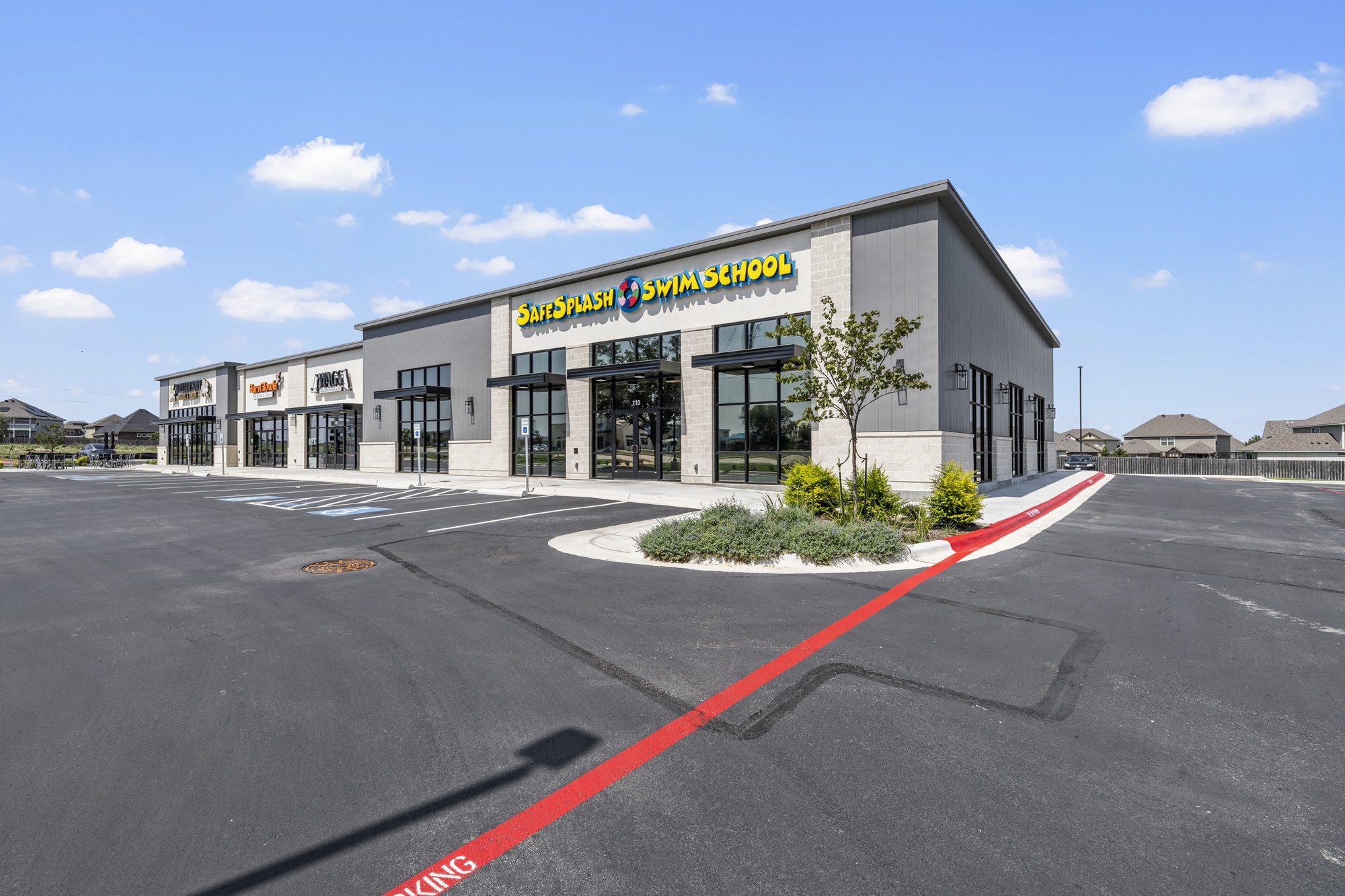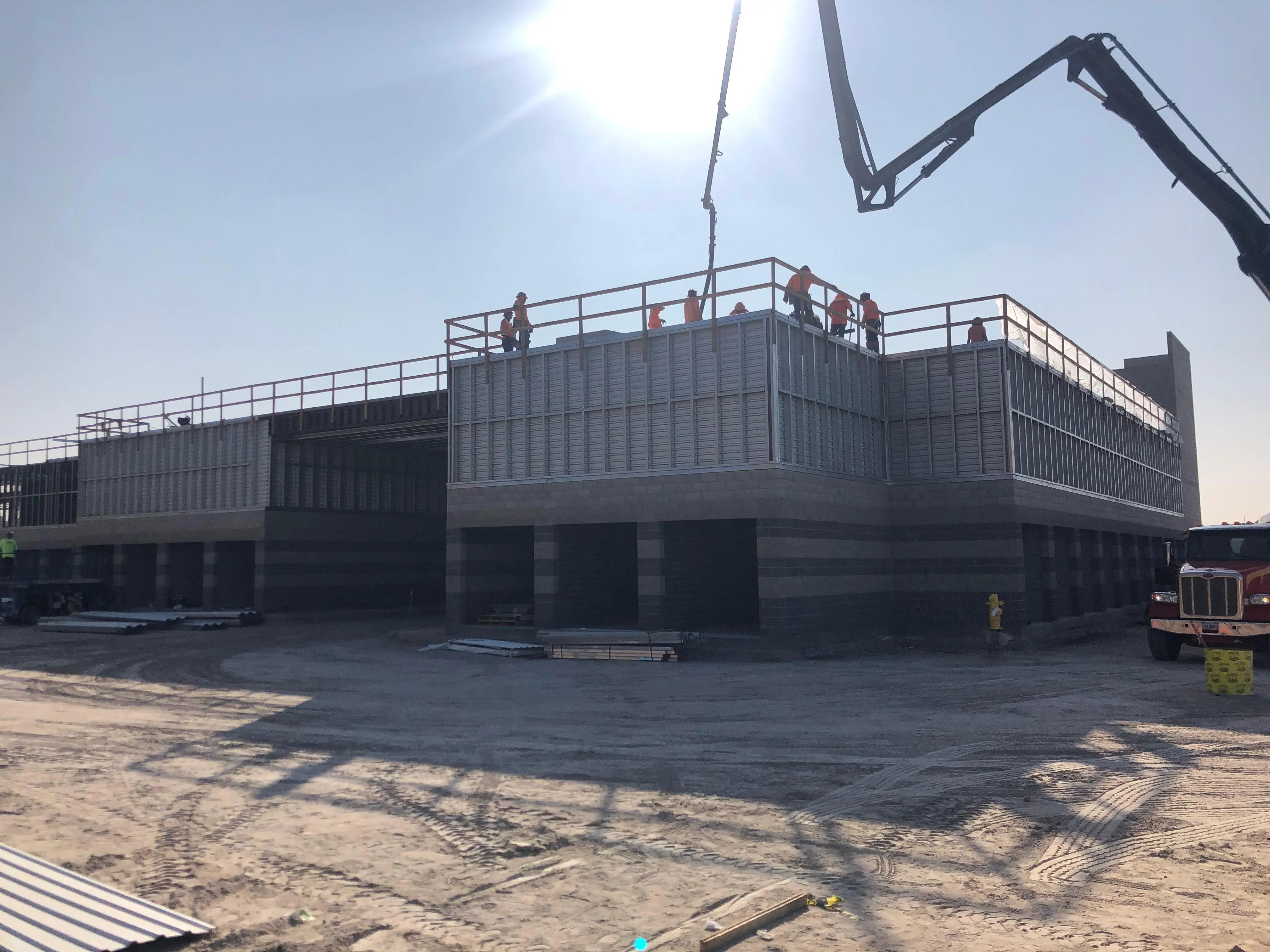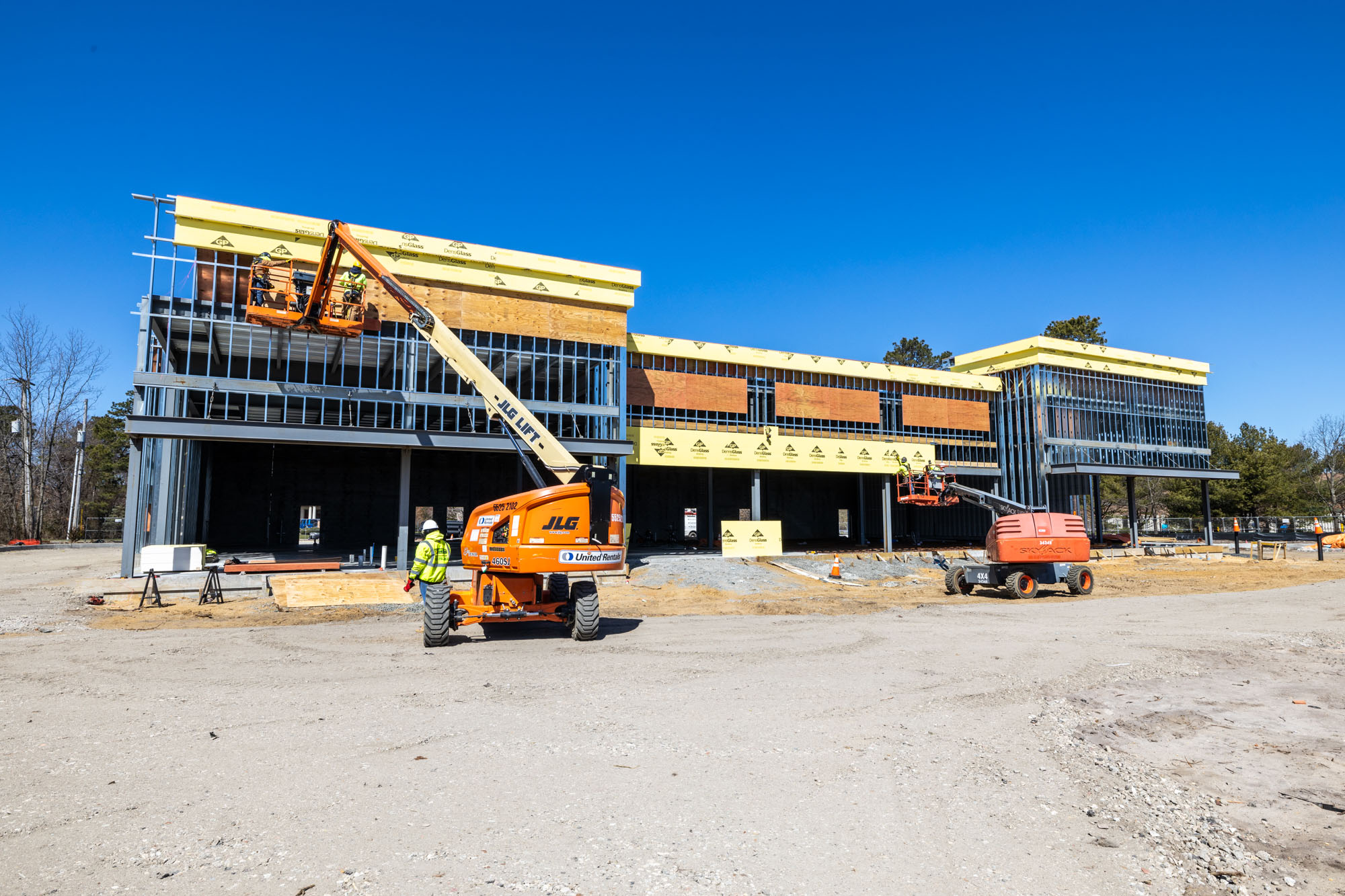
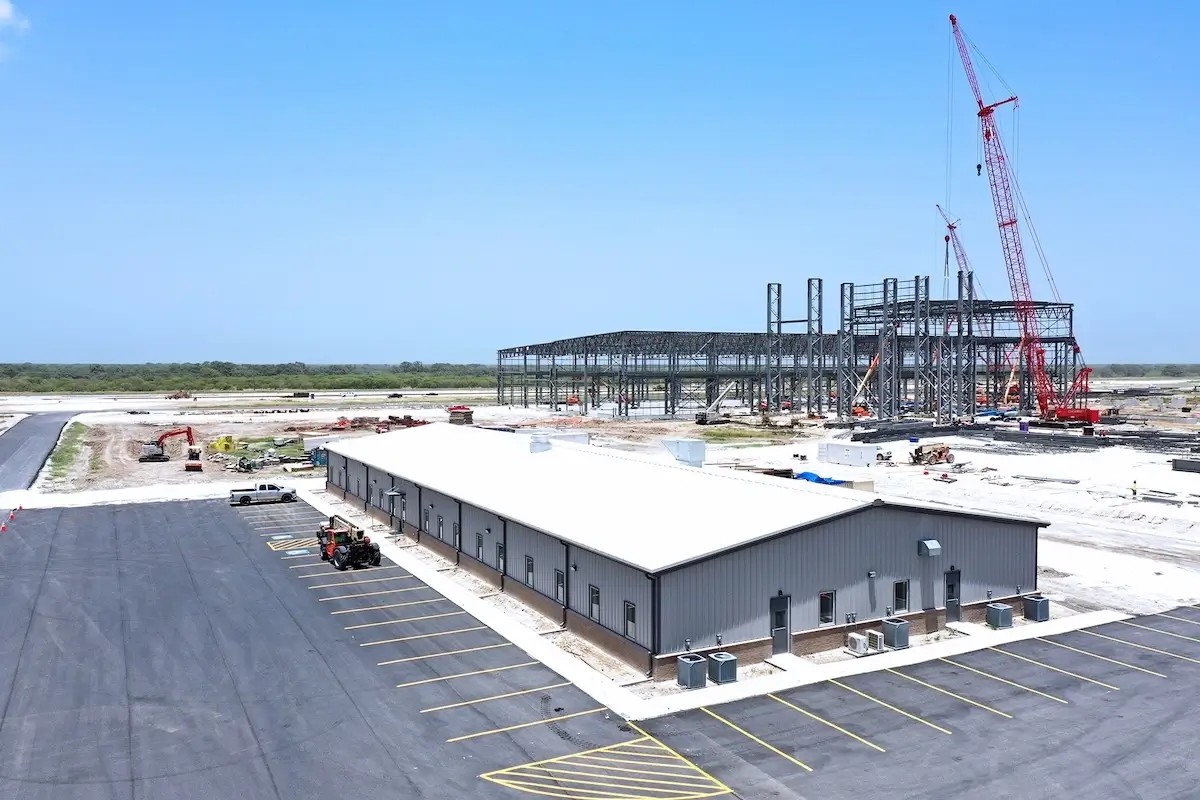
Industrial Opportunity Zone Investment
An industrial QOZ project often promises two forms of transformation: an underused site becomes productive real estate, and long-term capital enters a disinvested tract. Both claims need proof. A warehouse without tenant demand, power, truck access, labor, or a financeable exit can satisfy a construction budget and fail as an investment.
The tax structure adds property-acquisition, original-use or improvement, working-capital, business-use, and fund-testing requirements. The operating plan adds permits, environmental work, construction, leasing, tenant credit, debt, and systems.
Underwrite the next industrial user before pouring the slab, and maintain a ledger showing why each asset and dollar belongs in the QOZ structure.
Verify tract, designation, and project ownership
Record official zone, applicable period, boundaries, acquisition, investor dates, QOF, business entities, and rural status. Map legal ownership.
Marketing geography cannot establish qualification.
Choose original use or improvement from facts
Review prior industrial use, vacancy, acquisition, seller relationship, building and land basis, equipment, and improvement plan with counsel.
Demolition and redevelopment do not automatically answer original-use or basis rules.
Define the user and freight problem
Identify manufacturing, distribution, cold storage, service, or flex users; customers; suppliers; freight routes; ports; intermodal; and delivery times.
Industrial demand is functional. A zone does not compensate for the wrong logistics.
Design the building for reusable demand
Set clear height, columns, docks, grade doors, truck courts, trailer parking, yard, power, fire protection, office, rail, and expansion from tenant evidence.
A highly specialized building can lease well once and exit poorly.
Prove power, water, and utility capacity
Obtain utility capacity, service dates, extension costs, redundancy, wastewater, gas, telecommunications, and easements. Coordinate with equipment and tenant loads.
Proximity is not capacity. Utility delay can consume working capital and lender extensions.
Resolve environmental legacy early
Review historic operations, tanks, vapor, soil, groundwater, hazardous materials, neighboring uses, remediation, permits, and indemnities.
Brownfield potential can support impact and create schedule, financing, and exit risk. Price both.
Control construction and qualifying basis
Tie contracts, draws, invoices, change orders, equipment, soft costs, and placed assets to legal owner and improvement ledger. Separate land.
Monthly reconciliation should connect tax categories with actual scope.
Coordinate working capital with permits and tenant work
Review written plan, expenditure schedule, site approvals, utility milestones, tenant improvements, financing, and delays.
A plan should survive a tenant change without losing control of cash and compliance.
Underwrite tenant credit and facility commitment
Review legal tenant, guarantor, financials, lease term, options, assignment, operating role, equipment investment, and alternatives.
A long lease can be weak if the obligor is thin or the facility is temporary overflow.
Put lease-up and construction on debt maturity
Review loan, interest reserve, evaluate, completion, tenant tests, maturity, extension, permanent financing, and cash controls.
Stress delayed utilities, higher cost, tenant failure, and lower appraisal.
Reconcile industrial property use with fund compliance
Track 90 percent tests, subsidiary rules, tangible property, income, services, working capital, acquisition, and property use.
Construction progress and qualification progress need separate workpapers.
Review workforce and transportation access
Analyze labor skills, wages, training, commuting, transit, housing, shift access, and employer competition. Test sponsor job claims.
A building can complete without an available workforce to operate it.
Underwrite sponsor industrial execution
Review entitlements, brownfields, utilities, construction, leasing, tenant relationships, and prior failed projects. Compare budgets and schedules.
General development success does not prove industrial systems or tenant skill.
Challenge acquisition basis before improvement upside
Compare land and building allocation, current condition, recent sales, replacement cost, environmental burden, utility work, and as-is income. Separate value already paid from value the project must create.
A low-income tract does not evaluate inexpensive real estate. Overpaying reduces the return on qualifying improvements.
Assign tenant improvements and equipment to the right owner
Review allowances, reimbursements, fixtures, machinery, racking, solar, ownership, leases, financing, and placed-in-service dates. Map each asset to the QOF or business entity.
Tenant spending can support operations without entering the fund's improvement calculation. Keep economics and tax basis distinct.
Transfer casualty and construction insurance deliberately
Review builder's risk, property, liability, environmental, business interruption, deductibles, exclusions, tenant coverage, lender proceeds, and restoration. Match policies to construction and stabilized phases.
A covered loss can still miss working-capital, improvement, or loan milestones. Model time as well as reimbursement.
Plan asset sale and fund wind-down together
Map property sale, subsidiary proceeds, QOF asset tests, debt payoff, reserves, investor distributions, inclusion events, fund term, and reporting through liquidation.
A successful industrial exit can leave cash in the structure while compliance and investor tax clocks continue. Obtain a documented wind-down sequence.
Trace fees, incentives, and public support
List placement, acquisition, development, construction, financing, leasing, management, promote, grants, credits, and clawbacks.
Model economics without unawarded incentives and after affiliate compensation.
Model operating expenses and capital
Build taxes, insurance, utilities, security, maintenance, roof, paving, docks, systems, management, and recurring capital. Allocate tenant obligations.
Net-lease language does not remove future dark-building expense.
Value the exit with the next tenant
Use market rent, remaining term, tenant credit, reusable building value, capital, buyer debt, and a conservative yield. Model vacancy.
A year-ten sale should not depend on the original tenant renewing.
Plan fund liquidity and inclusion dates
Review fund term, extensions, transfers, redemption, distributions, capital calls, investor tax lots, legacy or new inclusion, and state reporting.
Keep tax-payment cash outside a construction-dependent refinance.
Approve industrial impact and investment separately
Document jobs, remediation, reuse, infrastructure, and community commitments without treating them as evaluate returns. Separately approve demand, cost, debt, sponsor, compliance, and exit.
The project works only when productive real estate and tax qualification survive delay together.
Qualified Opportunity Zone Questions
Which industrial operating factors control QOF underwriting?
Industrial QOZ projects may involve development or substantial rehabilitation, making construction basis, tenant demand, and placed-in-service timing important. Clear height, loading, truck circulation, power, yard depth, location, tenant improvements, and functional obsolescence influence both current rent and future reletting. Identify the eligible gain, recognition date, contribution deadline, applicable statutory period, fund status, and property qualification before assigning value to the tax feature.
How does industrial compare with alternatives in QOF underwriting?
An industrial buyer should connect building functionality, power, loading, yard and truck access, environmental condition, tenant specialization, rollover cost, and future reletting demand. The analysis should then separate QOF eligibility from construction, leasing, operations, financing, and exit assumptions. Compare the QOF with a taxable investment and other available deferral routes using consistent assumptions for project execution, fees, liquidity, compliance, and exit value.
Which industrial records belong in QOF underwriting diligence?
Review leases, environmental reports, roof and paving condition, loading configuration, power capacity, fire protection, zoning, truck access, and comparable industrial rents, together with QOF structure, zone status, original-use or substantial-improvement analysis, development budget, fees, and compliance reporting. The file should connect fund documents and Form 8996 responsibility with tract status, property basis, improvement work, financing, operations, working capital, and testing dates.
Where can industrial risk be understated during QOF underwriting?
A building can look fully occupied yet carry expensive rollover exposure if the space is specialized or the tenant has near-term termination rights. Stress the project without the tax benefit: construction delays, leasing weakness, cost overruns, compliance failures, refinancing pressure, and thin exit demand can still control the outcome.
Does DST ownership solve a constraint in the industrial decision?
A DST can be compared with an industrial QOF strategy as a distinct passive real-estate alternative when a qualifying 1031 exchange is available, but it does not provide the same program or project exposure. A DST or direct 1031 path is a separate real-property strategy with different eligible transactions, deadlines, assets, control rights, and liquidity; it is not interchangeable with a QOF.