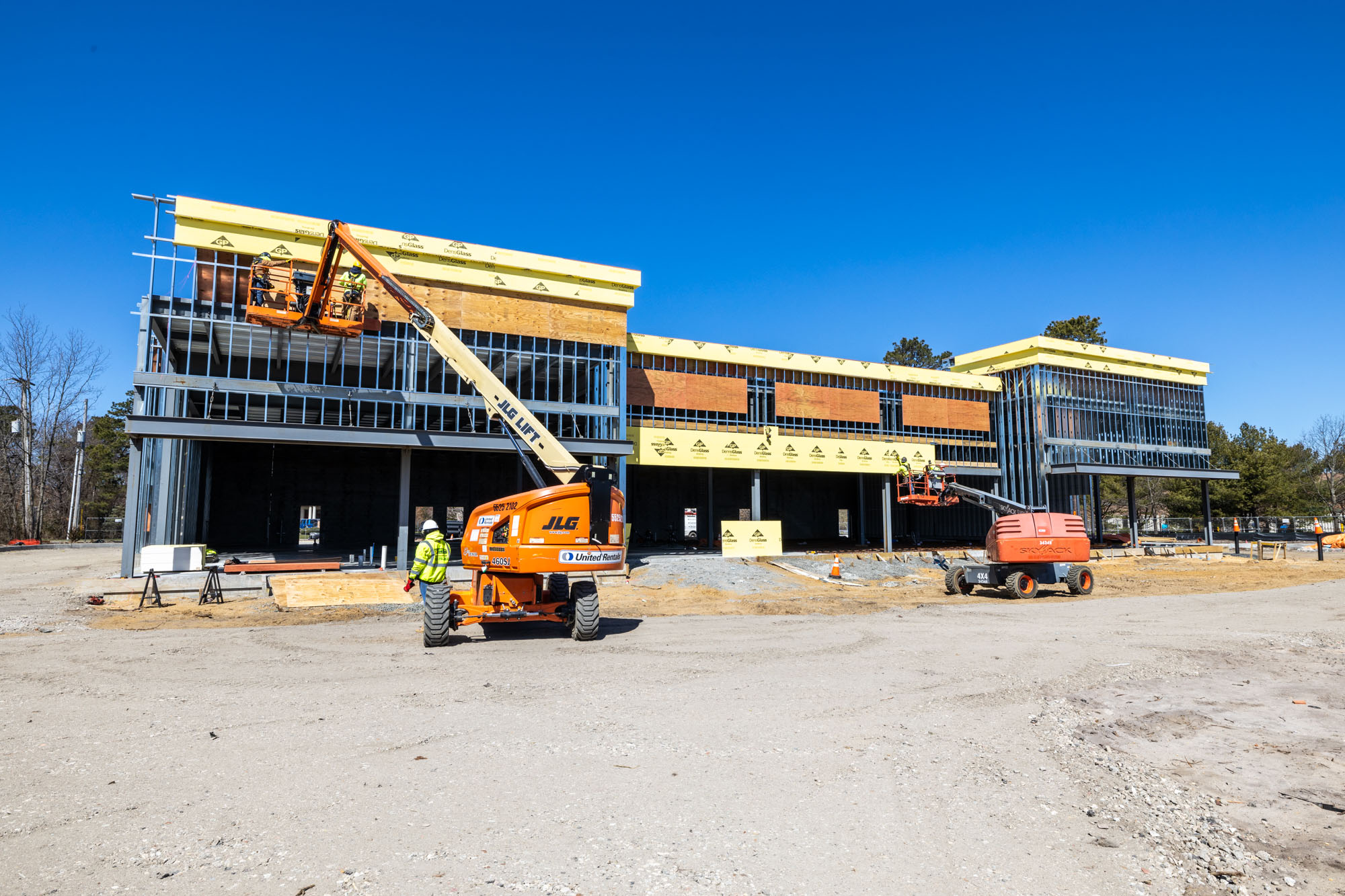

Medical Office Opportunity Zone Investment
A medical-office QOZ project can bring care into an underserved area and still fail if the provider never signs, parking is inadequate, specialized construction overruns, referrals shift, or the building opens before the local patient base can support its rents. Health-care need and real-estate demand overlap but are not identical.
The QOF structure adds zone verification, eligible gain, fund testing, original use or improvement, working capital, business-property rules, and long-hold reporting. The project adds clinical permits, systems, provider credit, tenant improvements, debt, and lease-up.
Underwrite why care will be delivered at this address and keep every construction dollar attached to the property and entity that must qualify.
Establish the clinical tract and ownership chain
Document the medical property's official tract, designation cycle, acquisition date, investor funding dates, fund and business tiers, title owner, and any claimed rural classification.
Map each clinical and real-estate entity.
Determine the clinical property's qualification route
Review prior use, vacancy, acquisition, seller, building and land basis, demolition, and planned additions with counsel.
Renovating an old office for medicine does not automatically prove the calculation.
Prove local patient and provider demand
Analyze population, payer mix, specialties, wait times, referrals, hospital strategy, competing clinics, travel, and provider recruitment.
Community health need does not evaluate a tenant at projected rent.
Secure the legal provider obligation
Review tenant, guarantor, physicians, system affiliation, financials, lease, options, assignment, practice sale, and opening conditions.
A letter of intent or brand relationship is not contracted clinical income.
Design access around patients
Review parking, drop-off, accessibility, elevators, wayfinding, transit, ambulance, service, and peak-hour use.
Clinical capacity begins before the suite.
Control specialized buildout
Map exam rooms, plumbing, gas, shielding, power, backup, ventilation, clean areas, equipment, accessibility, permits, and ownership.
Assign each cost to landlord, tenant, QOF, or business entity.
Maintain basis and improvement ledgers
Tie contracts, draws, invoices, change orders, allowances, equipment, soft costs, and placed assets to legal owner and tested property. Separate land.
Clinical complexity makes gross budget a poor proxy for qualifying additions.
Coordinate working capital and opening approvals
Review written plan, permits, provider milestones, construction, equipment, staffing, financing, and expenditures.
A delayed license or tenant approval can outlast cash and loan schedules.
Review compliance by responsible party
Analyze use permits, life safety, accessibility, hazardous materials, waste, privacy-related systems, professional licensing interfaces, and landlord duties.
Use qualified professionals and avoid claiming medical regulatory approval from a real-estate review.
Put clinical lease-up on debt maturity
Review construction loan, evaluate, interest reserve, completion, tenant tests, maturity, extension, permanent financing, and cash control.
Stress provider delay, higher buildout, lower appraisal, and slower collections.
Reconcile clinical use with QOF qualification
Track 90 percent tests, subsidiary rules, tangible property, income, services, working capital, property use, and Form 8996.
A permitted clinic can sit inside a noncompliant fund structure.
Underwrite systems and interruption
Review HVAC, power, generators, elevators, plumbing, roof, fire, security, water, insurance, and business interruption.
A system outage can stop care without destroying the building.
Model effective rent
Deduct free rent, commissions, allowances, landlord work, equipment accommodations, and downtime. Include unfinished obligations.
Face rent can hide years of sponsor-funded economics.
Review sponsor clinical delivery
Compare provider relationships, design, permits, construction, equipment coordination, lease-up, and troubled projects.
General office development does not prove clinical execution.
Challenge acquisition basis before clinical upside
Compare land and building allocation, current income, recent sales, parking, systems, replacement cost, and required buildout. Separate value acquired from value the QOZ capital must create.
Paying a stabilized medical-office price before provider commitment and construction transfers too much execution upside to the seller.
Assign improvements and equipment to their legal owner
Review tenant allowances, reimbursements, medical equipment, fixtures, financing, leases, removal, and placed-in-service dates. Map each asset to fund, business, tenant, or affiliate.
Clinical equipment can make the practice functional without becoming qualifying real-estate basis. Keep both ledgers.
Test sponsor and tenant completion support
Review evaluate, letters of credit, completion obligations, cost sharing, contingencies, tenant contributions, and remedies if either party fails. Confirm financial capacity.
A signed lease does not fund an overrun automatically. The project should have a solvent source for every remaining obligation.
Design a successor-use plan before opening
Name plausible replacement specialties and price demolition, permits, systems, equipment removal, downtime, and leasing. Review restrictions and referral geography.
A highly specialized clinic can create community value and weak residual flexibility. Exit analysis should recognize both.
Trace fees, incentives, and conflicts
List placement, acquisition, development, construction, financing, leasing, management, promote, grants, credits, and affiliate contracts.
Model project economics without unawarded support and after all fees.
Document care-access outcomes
Define services, provider commitments, jobs, patient travel, affordability, public support, and reporting. Separate obligations from aspirations.
Residents should not appear only as justification for a tax zone.
Value exit under provider change
Use effective income, rollover, buildout, systems, parking, buyer debt, and conservative yield. Model a dominant provider leaving.
Essential care does not make every suite reusable.
Plan investor lots and liquidity
Review legacy or post-2026 inclusion, basis, holding periods, fund term, extensions, transfers, distributions, redemption, and state reporting.
Keep tax-payment cash outside a provider-dependent refinance.
Plan project sale and fund wind-down
Map property sale, business interests, debt payoff, QOF tests, reserves, distributions, tax events, and final reporting.
A ten-year objective does not evaluate one clean sale.
Approve the project without health-care slogans
Stress provider failure, permit delay, construction overrun, debt, compliance, lower distributions, and exit. Compare measurable community use.
The investment works only when clinical real estate and QOF records remain defensible together.
Qualified Opportunity Zone Questions
Which medical office operating factors control QOF underwriting?
Medical-office QOZ investments may pair community demand with development risk, and the fund must satisfy QOZ property and operating requirements. Provider tenancy, referral patterns, buildout costs, reimbursement pressure, parking, accessibility, lease duration, and proximity to health systems shape value. Identify the eligible gain, recognition date, contribution deadline, applicable statutory period, fund status, and property qualification before assigning value to the tax feature.
How does medical office compare with alternatives in QOF underwriting?
A medical-office buyer should weigh provider durability, referral patterns, specialized buildout, parking and accessibility, lease rollover, improvement obligations, and competing clinical space. The analysis should then separate QOF eligibility from construction, leasing, operations, financing, and exit assumptions. Compare the QOF with a taxable investment and other available deferral routes using consistent assumptions for project execution, fees, liquidity, compliance, and exit value.
Which medical office records belong in QOF underwriting diligence?
Review leases, guaranties, provider concentration, tenant-improvement history, parking ratios, accessibility, mechanical systems, certificate-of-occupancy records, and competing medical inventory, together with QOF structure, zone status, original-use or substantial-improvement analysis, development budget, fees, and compliance reporting. The file should connect fund documents and Form 8996 responsibility with tract status, property basis, improvement work, financing, operations, working capital, and testing dates.
Where can medical office risk be understated during QOF underwriting?
High buildout cost can make nominal rent look secure while increasing the owner's exposure when a practice relocates or closes. Stress the project without the tax benefit: construction delays, leasing weakness, cost overruns, compliance failures, refinancing pressure, and thin exit demand can still control the outcome.
Does DST ownership solve a constraint in the medical office decision?
A DST can be compared with a medical office QOF strategy as a distinct passive real-estate alternative when a qualifying 1031 exchange is available, but it does not provide the same program or project exposure. A DST or direct 1031 path is a separate real-property strategy with different eligible transactions, deadlines, assets, control rights, and liquidity; it is not interchangeable with a QOF.